Whether you’re walking for fitness, training for an event, or simply challenging yourself, 5 miles is a meaningful milestone. Here’s how long it typically takes and the biggest factors that determine your pace.
 As running coaches, who work with and love to walk, we know that walking pace varies from person to person.
A typical 5 mile walk takes between 75 minutes and 2 hours, though your pace can make a big difference. Most walkers average around 3 mph, which works out to about 1 hour and 40 minutes to cover the distance.
Walking 5 miles is a pretty doable goal for most folks. Whether you’re looking to cover more distance, build your endurance, or simply pick up the pace, let’s break down what to expect and what can impact your overall walking time.
How Long Does It Take to Walk 5 Miles?
There really isn’t a one-size-fits-all answer here beyond the range of 75 minutes to 2 hours we noted at the start.
How long it takes to walk 5 miles depends on several things, which we’ll dig into below. But the biggest one is pretty simple: how fast you’re walking.
Your pace will have the greatest impact on whether you’re out there for an hour or closer to two hours. Here are examples of what three different walking paces look like:
- Easy, relaxed-paced walk: This will feel comfortable and conversational, like a pace that you can just keep going forever. This would be around a 20-minute-per-mile walking pace.
- Moderate-paced walk: You’ll have a little more pep in your step here, with your heart rate and breathing starting to increase, but still feel in control of your effort. This would be around a 15-minute-per-mile walking pace.
- Power walk pace: This is a full-on workout effort; feet are moving faster and you’re really pumping those arms. This will be around a 12-minute-per-mile walking pace.
5 Mile Walking Pace Chart
Want to get a better idea of how long it may take you to walk 5 miles? Use the chart below to match your walking speed or pace with your estimated time to walk 5 miles.
If you’re not sure how to calculate your walking speed, time yourself on a treadmill to get your MPH, or track your walking pace with a GPS watch.

A 15-minute mile pace is a great goal to work toward if you’re focused on building your fitness. It’s a solid power-walking pace, and one we like runners to work towards before they start adding run-walk intervals.
After you’ve built up to 3 miles at a 15 minute mile, you may find that it’s actually time to start adding in some run intervals to keep progressing as that will now be your normal and not as hard! But let’s not get ahead of ourselves, first more on your walking pace.
What Affects Your 5 Mile Walk Time?
Not everyone will walk 5 miles in the same amount of time, and that’s completely normal. There’s also no “perfect time” to hit here.
Here are a few things that will factor into how long it’ll take you to walk 5 miles:
1. Height
Your height, or more specifically, leg length, can also affect this answer, since the longer your legs are, the larger the steps you most likely take.
This chart can help give you a visual of the difference. Of course these are just estimates and not exact amount of steps.
Height | Steps Per Mile Walking | Steps Walking 5 Miles |
5'0" Women | avg 2,117 | avg 10,585 |
5'4" Women | avg 2,061 | avg 10,305 |
5'8" Women | avg 2,005 | avg 10,025 |
5'4" Men | ave 1,972 | avg 10,140 |
5'4" Men | avg 1,915 | avg 9,860 |
6'0" Men | avg 1,859 | avg 9,295 |
2. Step Length
This is by far the most accurate way to determine how many steps in a mile there are for you since the bigger your stride, the fewer steps you need to cover a mile.

3. Sex
This is more specifically for when you’re walking, since men’s and women’s biomechanics affect their gait, and this, in turn, changes their step length. An adult male usually strides out farther than an adult female.
4. Terrain and Incline
Hills, technical trails, and uneven terrain will naturally slow you down compared to walking on flat pavement or crushed gravel trails.
5. Weather
Heat, wind, and cold can all impact your walking pace more than you might expect.
Hot and humid conditions can make the same pace feel harder. Cold weather means that your body will take longer to warm up and find a comfortable rhythm.
How Many Steps Is 5 Miles?
Using the general average of around 2,000 steps per mile, walking 5 miles will put you somewhere around 10,000 to maybe even 12,000 steps.
Of course, your exact number will depend on things like your height and stride length. Taller walkers (like Coach Amanda and myself) with longer strides will typically fall toward the lower end of that range, while shorter walkers may take more steps to cover the same distance.
If you want to learn more about what impacts your step count, we broke down how many steps are in a mile.
Benefits of Walking 5 Miles
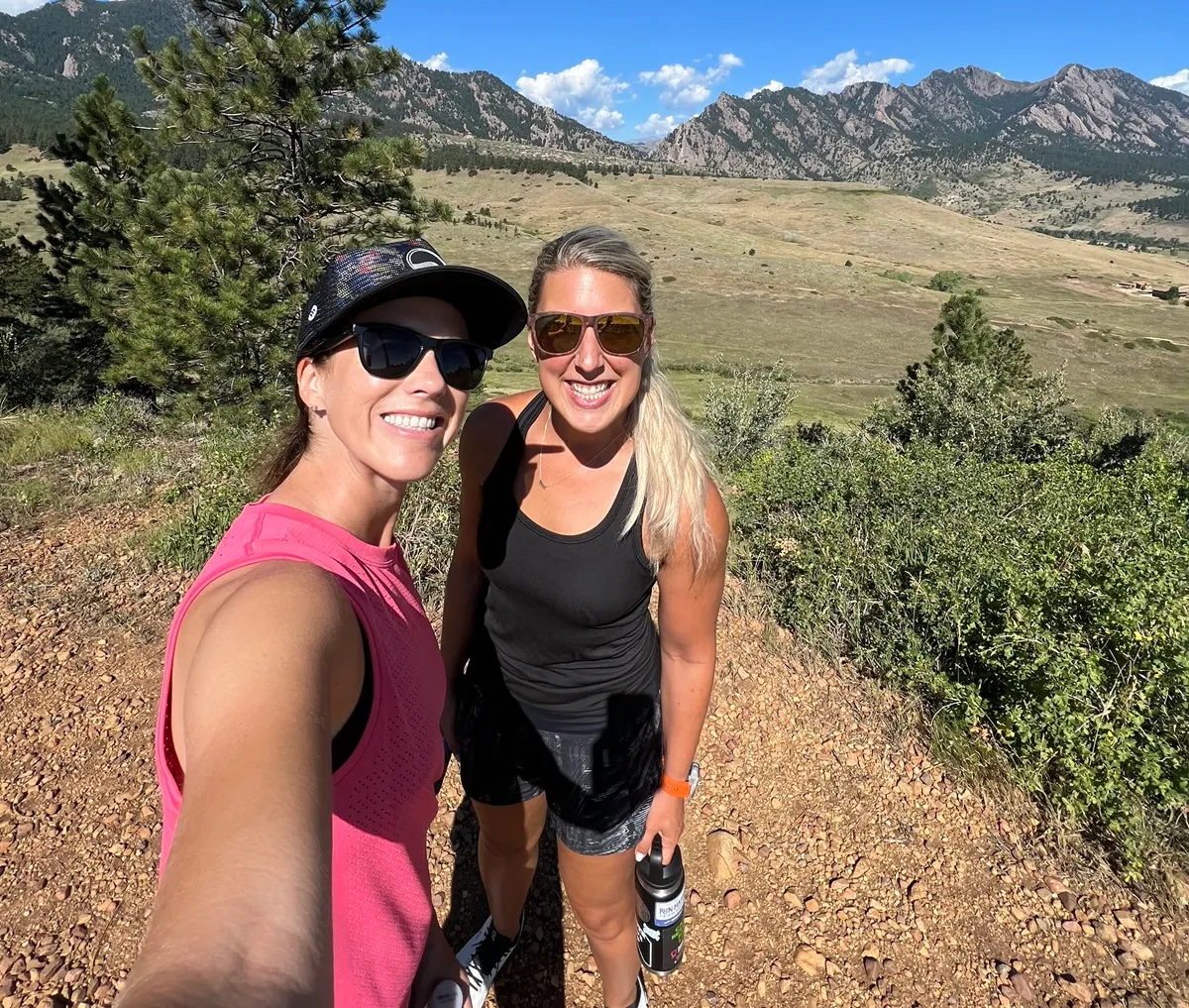
Our team loves heading out for a walk. Not only is walking a great way to get outside, spend time together, and enjoy some fresh air, but it also comes with a pretty long list of health benefits.
Here are just a few reasons why regularly walking 5 miles can be such a positive addition to your routine.
Improves Mood
Mental health can be improved by taking brisk walks for 30 minutes three times a week since this has been shown to reduce anxiety, low mood, and even depression, according to a study published in the Journal of Clinical Psychiatry.
Plus, it can also help increase self-esteem and lessen social withdrawal or feelings of isolation.
Boosts Energy
When you’re tired, going for a walk can give you more energy than drinking coffee. The energy boost comes from the increased oxygen supply and energy-boosting chemicals, such as norepinephrine, epinephrine, and cortisol.
Relieves Joint Pain
Walking protects joints, especially the hips and knees, by lubricating the muscles that support them. Moreover, it relieves arthritis-related discomfort.
Even if you only do it once a week, walking for five to six miles can reduce the risk of developing arthritis.
Lowers Risk of Chronic Diseases
Those daily walks can add up to some health benefits as well.
According to a 2025 study, participants found that following a structured walking program was associated with improvements in several health markers linked to chronic disease risk, including blood pressure, body weight, and BMI.
Helps in Weight Loss
Walking is an effective way to burn calories and shed pounds. By walking regularly, you can create a calorie deficit, meaning you burn more calories than you consume. This ultimately leads to weight loss.
How Many Calories Do You Burn Walking 5 Miles?
The answer to this depends on the person, just as it varies depending on how many steps are in a mile when walking.
It’s said that an average person will burn between 80 and 140 calories per mile. But the exact number of calories you’ve burned will depend largely on your weight, time spent walking, and your speed.
The faster you walk, the more hills or resistance, the more calories you burn. In other words, the more effort it takes, the more calories you’ll burn.
For this reason, as it becomes easier and easier to walk a certain distance, you’ll start burning fewer calories.
You can change things up by switching up the terrain or walking more briskly.
Always remember to listen to your body and gradually increase your physical activity to avoid injury.
3 Tips for Walking 5 Miles
Get Good Walking Shoes
When picking out a pair of shoes for walking, you’ll want to look for a pair that offers more midsole support for shock absorption, as well as a more flexible sole to accommodate the rolling motion of the foot during walking.
You should have a different pair of shoes for walking and a different pair of running. But don’t worry, a shoe labeled as a “running” shoe can still work great for walking too.
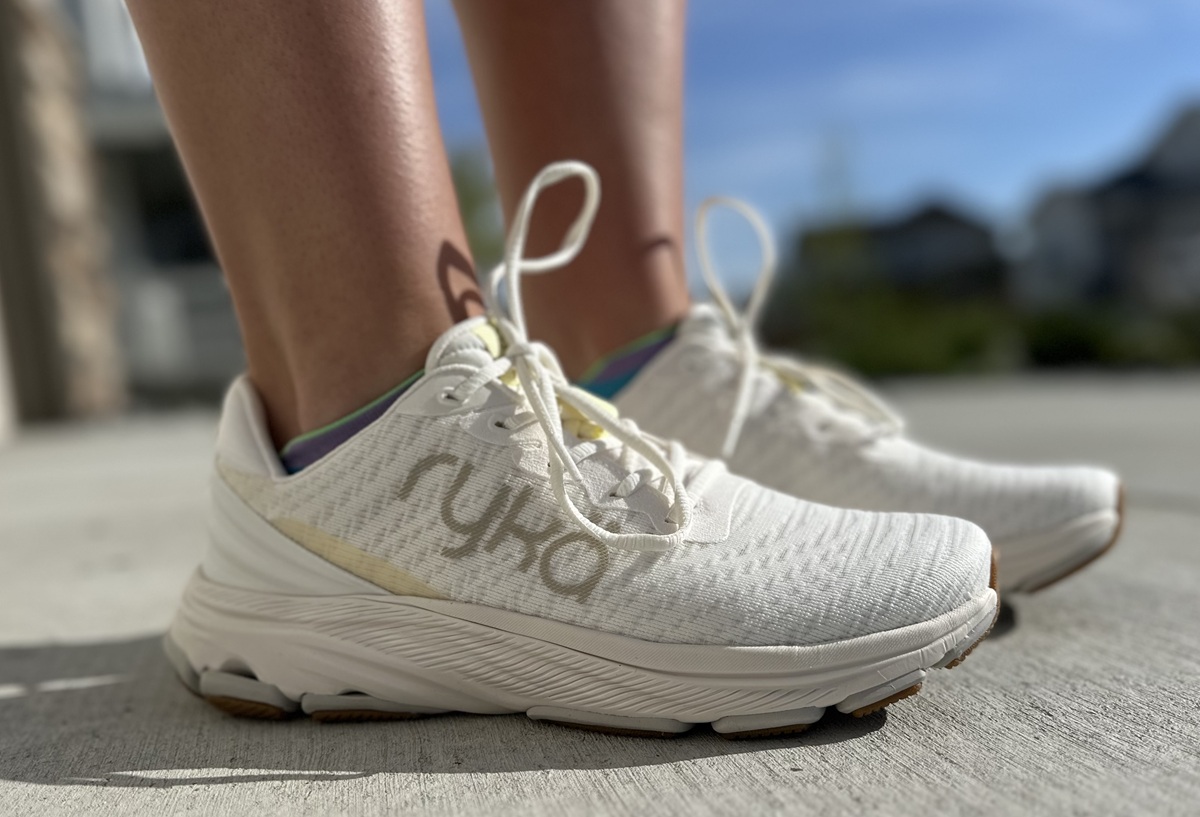
Luckily for you, we have a TON of the best walking shoe lists, depending on what you’re looking for. Here are a few to check out:
- 10 Best Walking Shoes
- Best Walking Shoes For Flat Feet
- 7 Best Wide Toe Box Walking Shoes
- Best Walking Shoes for Plantar Fasciitis
- 7 Best Brooks Shoes for Walking or Standing All Day
Pace Yourself
It’s easy to head out the door feeling excited and start walking too fast.
Instead, settle into a comfortable pace for the first mile or two where you can still hold a conversation without feeling out of breath.
Once your body is warmed up and you’ve found a rhythm, you can start to pick up the pace if you’d like.
If you’re just starting out, don’t feel like you need to walk 5 miles right away.
Start with a distance that feels manageable and gradually add more time or mileage as your endurance improves.
Just like we tell the runners we coach, building fitness takes patience. Stay consistent, give your body time to adapt, and those 5 miles will start to feel easier.
Embrace the Treadmill
If you call it the dreadmill, we want you to stop that right now.
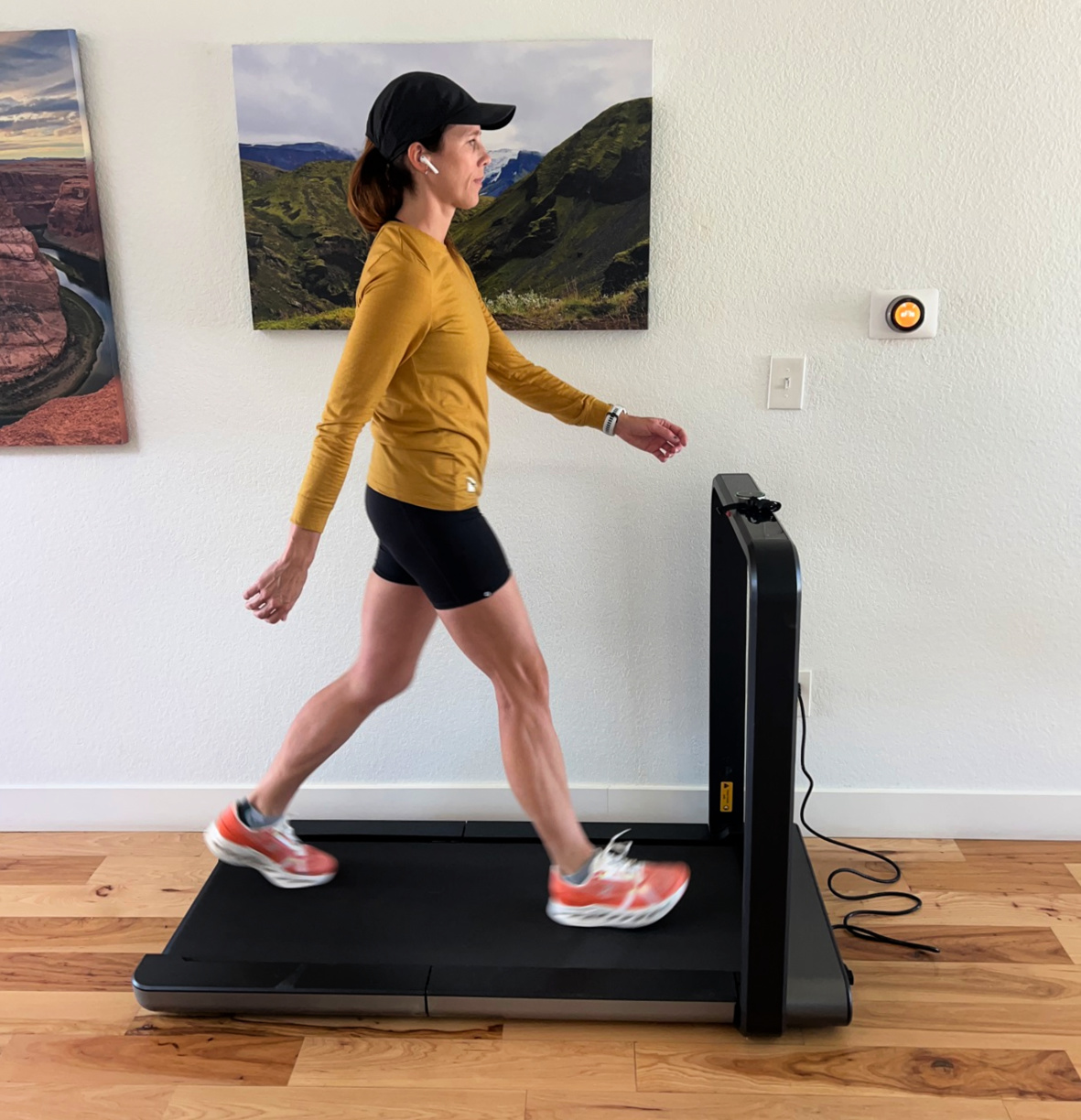
Treadmills and walking pads are great training tools, and you don’t need a special reason to use them.
A treadmill provides a controlled environment to work on your walking pace and get more comfortable picking up the pace without worrying about hills, weather, or traffic.
Hop on and walk while watching your favorite show, use a walking pad under your desk to sneak in some extra miles, or try one of our treadmill walking workouts when you want a little more structure.
We hope this guide helped answer how long it takes to walk 5 miles and gave you a better idea of what to expect.
Remember, focus less on hitting a specific time and more on building consistency.
Keep showing up for your walks, and you may be surprised by how quickly your endurance builds and your pace starts to improve on it’s own.
Looking for what to read next?
- Average Walking Speed by Age (and Gender): Are You Faster or Slower Than Normal?
- Best Walking Shoes for Overpronation That You Can Wear All Day
- 9 Walker Friendly Marathons With Generous Cutoffs and Real Finisher Support
The post How Long Does It Take to Walk 5 Miles at Different Paces? And What’s Average? appeared first on RunToTheFinish.
from RunToTheFinish https://ift.tt/YZarHXO
Post a Comment
Post a Comment