Among the various types of running shoes available, stability running shoes play a pivotal role in providing support and preventing excessive overpronation. They aren’t needed for many runners or often mask underlying muscle weaknesses. So let’s dive in to everything you need to know and some of the best stability shoes available now.
Everyone has some pronation while running, that’s natural and necessary. According to Podatrists, the average person should have about 15% or a little less pronation to their step.
If you do a quick run on the treadmill at your running store and they tell you that you need a stability running shoe because your ankle falls in, first ask yourself if you’ve been having any pain or issues while running.
Again, some motion is ok and necessary. Additionally, that quick review doesn’t explain if the inward motion is created from a weak ankle, weak hip, hip drop, form issue, flat foot OR the need for more support. In many of those cases, a stability shoe will not fix the issue.
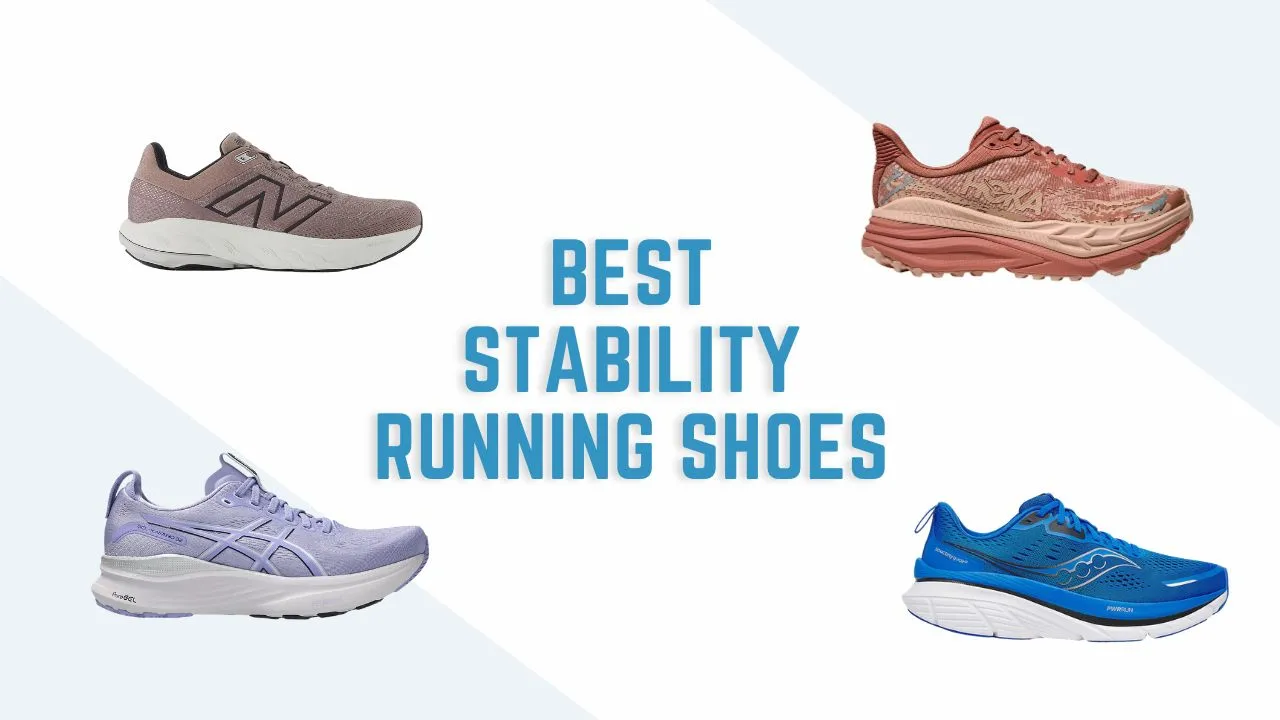
Best Stability Shoes for 2026
- Most Popular Stability Shoe – Asics Gel-Kayano
- Great Daily Trainer Option – Saucony Guide
- Best Stability Running Shoe for Wide Feet – New Balance 860
- Best Stability Running Shoe for Narrow Feet – Puma Velocity Nitro
- Best Run Walk Run Stability Shoe – HOKA Gaviota
- Moderate Cushioning Stability Shoe – Nike Structure 26
- Zero Drop Option, Widest Toe Box – Altra Paradigm 8
- Best Moderate Stability for Long Runs – Cloudflyer 5
- Best Max Cushion Stability Trail Running Shoe – Hoka Stinson
- Best Waterproof Stability Running Shoe – Brooks Cascadia
10 Best Stability Running Shoes
Having noted that we want you to first find and fix the cause, we can now move on to some shoe recommendations!! We’re going to give you some traditional running stability shoes and some that will help, but aren’t forcing a correction.
Most Popular Stability Shoe – Asics Gel-Kayano
We recently did a full review of the Asics GEL Kayano and here it is again as a long-standing winner. It’s a favorite marathon training shoe and one that will help to provide you with the extra support your foot needs.
The Asics Gel Kayano 32 is known for its supportive, multi-density midsole and firmer foam through the arch. They’re one of the best motion-control shoes with firmer medial (inner) and softer lateral (outer) midsole sidewalls.
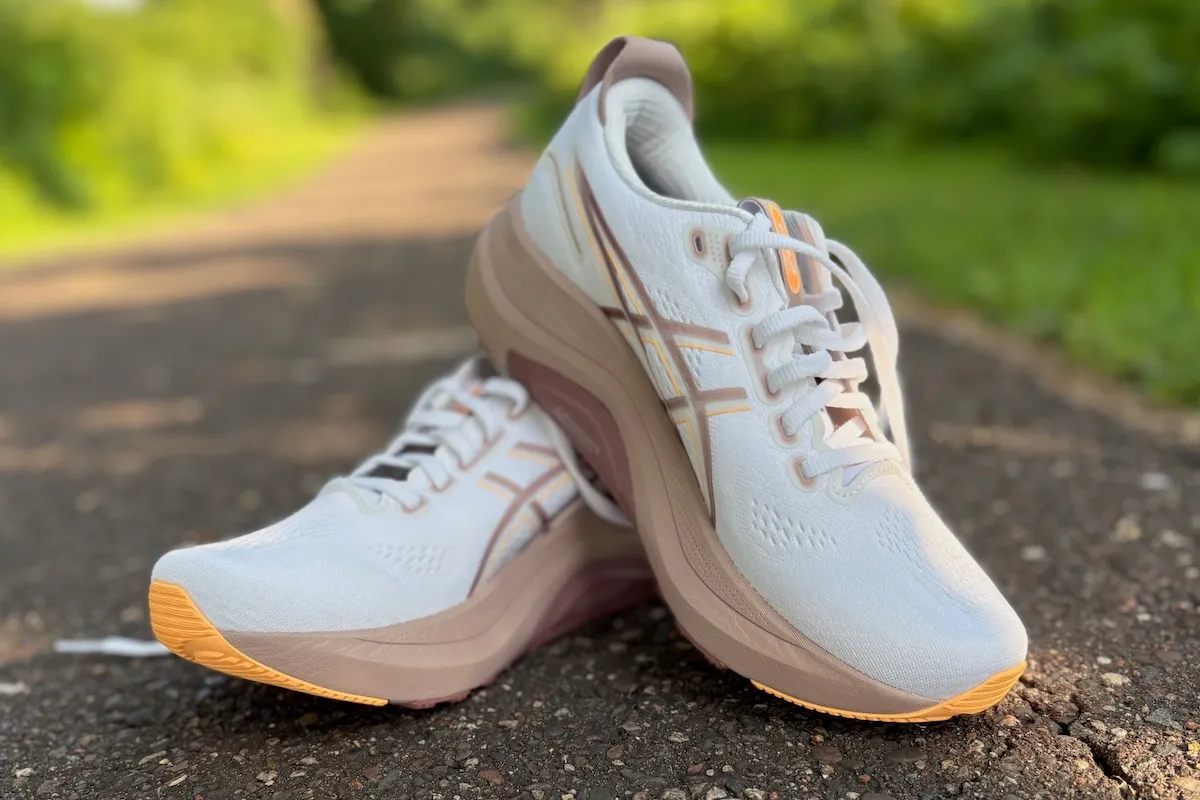
The Kayano also provides some stability at the midsole to keep feet from rolling inward during each stride. It’s known for its durability too and will be there for you, literally, for the long run.
The Kayano, with its mesh upper, comes in varying widths, sizes, and color combos.
- Weight: 10.7 oz Men’s, 9.1 oz Women’s
- Stack Height: 40 mm
- Heel Drop: 8 mm
- Available in nine colors
- Available in wide and narrow
- Available at Asics.com for $165.00
- Read our full review of the Asics Gel-Kayano 32 here >>
Great Daily Trainer Option – Saucony Guide
In this model, Saucony not only paid attention to the support below, but uses the upper for additional stability. It wraps around your foot, helping you feel more secure in the shoe.
The Guide 18 is the most recent model, but still feels like a very classic running shoe.
It’s not overly built up, no massive stack height, no crazy cushioning. Just a solid daily trainer that is going to provide you with some nice cushion and decent support.
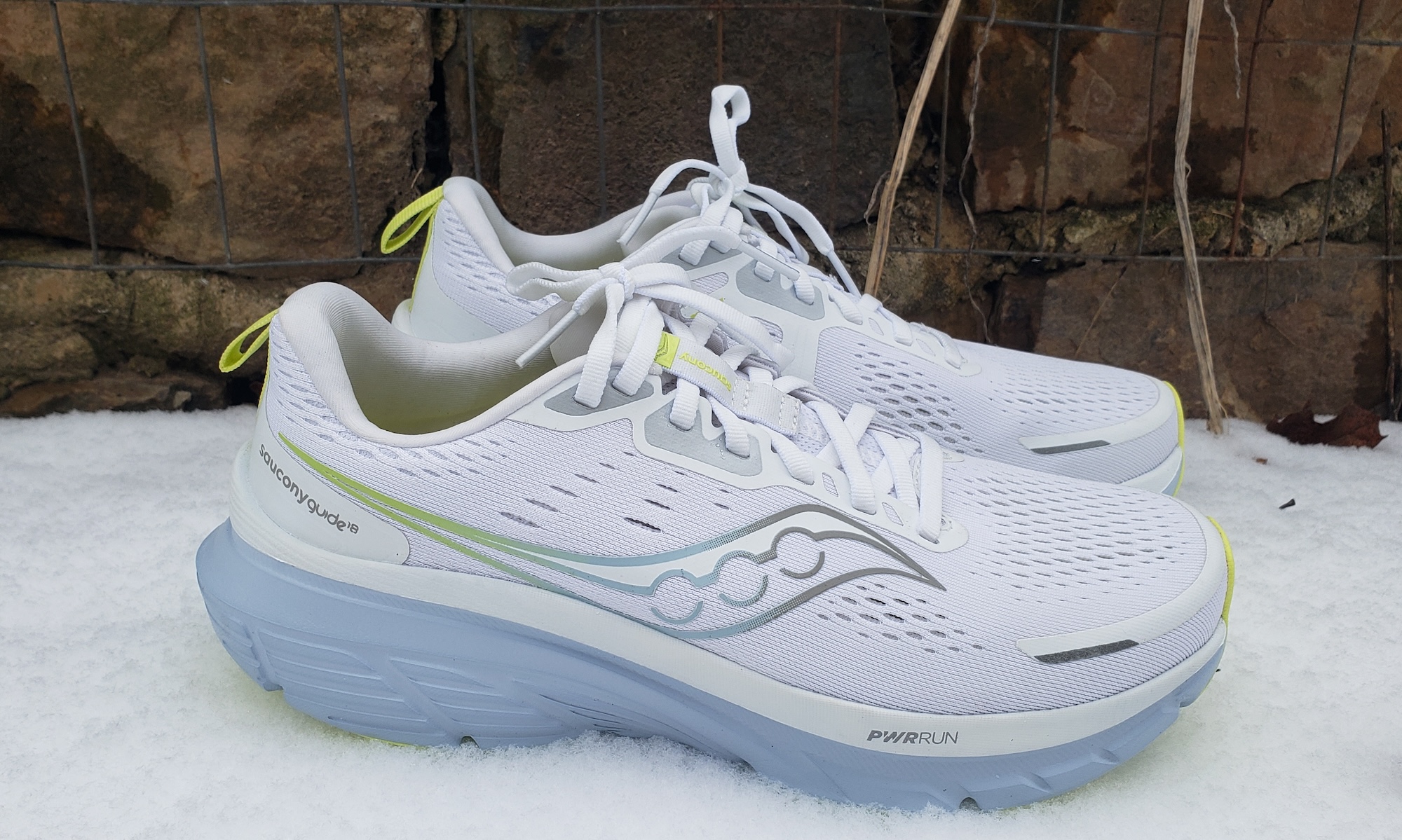
And as noted the stability is there, but without being aggressive so you aren’t feeling it…it’s just doing the job. Plus, the ride still feels cushioned which was something that many traditional stability shoes lacked. That’s my kind of shoe.
In fact, I have run in the Guide quite a bit and found it to be a great overall trainer. I wasn’t put off by any hard pieces or overcorrection.
- Weight: 9.6 oz Men’s, 8.6 oz Women’s
- Heel Drop: 6 mm
- Stack Height: 35 mm
- 13 Colors for Women’s, 12 for Men’s
- Available in wide and extra wide
- Available on Saucony.com for $140
- Check out our full review of the Saucony Guide 18 here >>
Best Stability Running Shoe for Wide Feet – New Balance 860
The New Balance Fresh Foam 860 v14 has a dual-density medial post in the midsole that helps with overpronation, which will stabilize your foot strike and help to keep you in better alignment.
A combination of hard and soft rubbers on the outsole of the Fresh Foam 860 imparts grip, while the firm midsole is useful at runs of a higher pace.
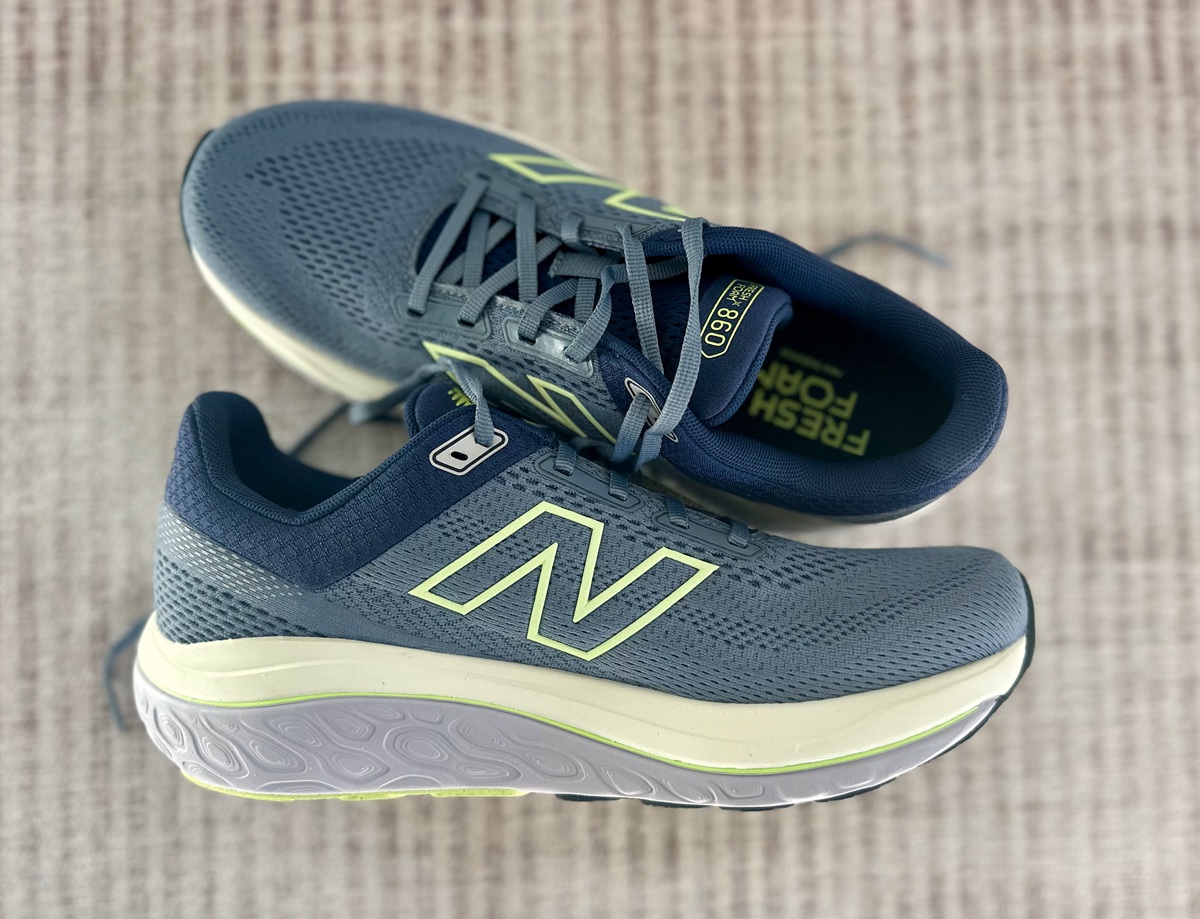
The breathable mesh upper keeps your feet cool and secure, and the cushioning is second to none.
It’s a stability running shoe that’s surprisingly light. It has a stretchy, spacious forefoot and toe box which feels comfortable and not too loose or sloppy.
- Weight: 10.8 oz Men’s, 8.7 oz Women’s
- Heel Drop: 8 mm
- Stack Height: 38mm
- Available in core and seasonal colors
- Available in narrow, wide and extra wide (in limited colors)
- Available on Newbalance.com for $140
- Check out our full review of the New Balance 860v14 here >>
There are A LOT Of fresh foam numbered shoes, so note that the 880 is neutral cushion. The 860 is the stability option. Personally, I quite like the Fresh Foam which provides just the right amount of cushion for my runs from 3 to 20 miles.
Best Stability Shoe for Narrow Feet – Puma Velocity Nitro 3
The Velocity Nitro has enough stability to also keep you feeling good on moderately long runs. This is going to work as a great city trail to road shoes or hitting wet roads and having no fear of sliding.
The dual-layer foam setup gives you a soft, comfortable feel up top with a bit of pop underneath, striking that nice balance between everyday comfort and a touch of speed if you want to pick up the pace.

The fit is going to be narrow, so keep that in mind when picking your size.
- Weight: 10 oz Men’s, 9.3 oz Women’s
- Heel drop: 10 mm
- 10 colors available
- Not available in wide
- Available at puma.com for $135
- Check out our full review of the Puma Velocity Nitro 3 here >>
Best Run Walk Run Stability Shoe – HOKA Gaviota
The Gaviota 6, with its 6mm heel drop, weighs slightly less than the 5. Listen we don’t think most folks with notice a big change in the weight because it’s not a lightweight running shoe, but we genuinely appreciate that designers are paying attention to the stability category!
With the H-frame design it feels more like it’s hugging your heel and giving you stability that isn’t just forcing your foot into position, but rather lateral support in general.
We like this because it still reminds you to go do all the foot, hip, ankle strength work that is going to help along side the shoe AND it doesn’t overcorrect. Remember a little pronation is natural and good.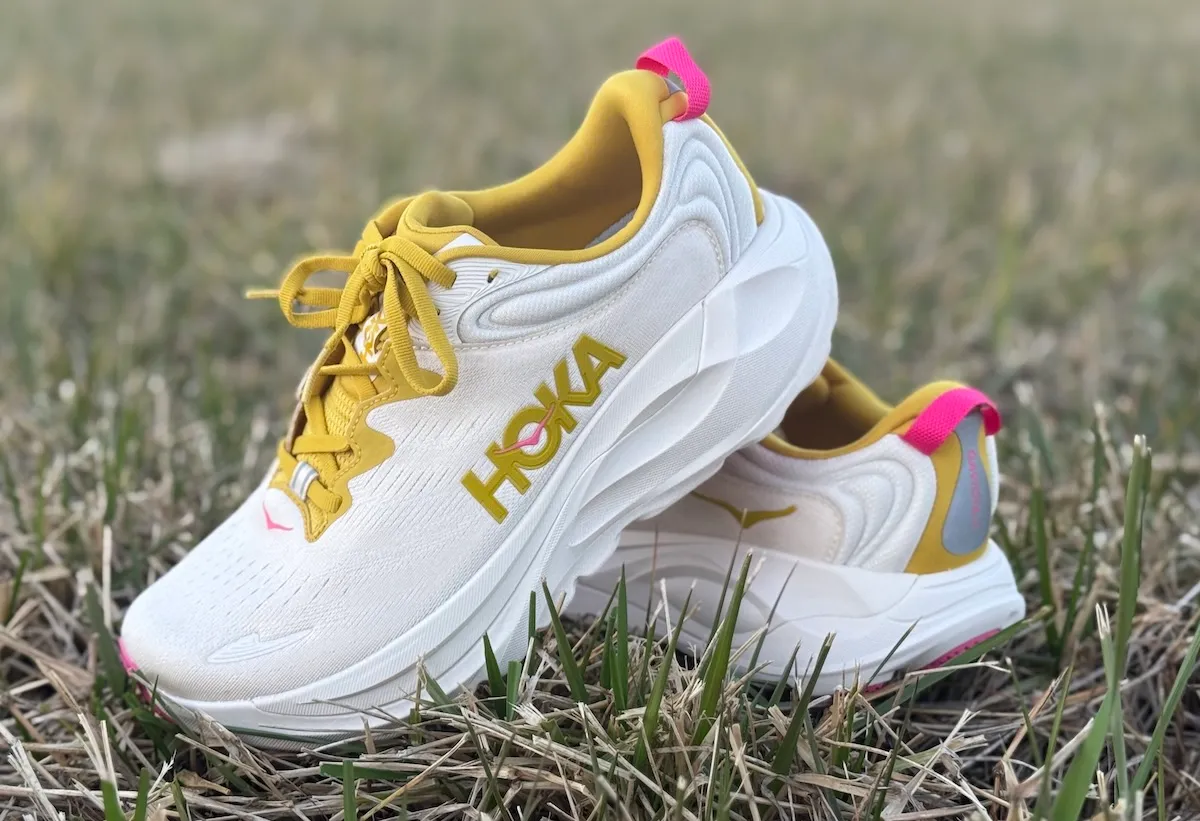
The Gaviota features a thick foam midsole that provides a cushioned ride, while the wide base and stability features help to reduce overpronation. The breathable mesh upper is lightweight and flexible, making this shoe a comfortable choice for long runs.
- Weight: 10.25 oz Men’s, 8.62 oz Women’s
- Stack Height: 39 mm
- Heel toe drop: 6 mm
- Available in 4 Colors
- Available in wide and extra wide
- Available on Hoka.com for $180
- Read our full review of the Hoa Gaviota 6 here >>
The HOKA Arahi is another option that’s just a bit less stability. Since all HOKA shoes provide a more stabilty platform due to the wider base, it could be a great option if you want something a little speedier.
Moderate Cushioning Stability Shoe – Nike Structure 26
The Structure has just enough cushion to feel it and light enough stability that you won’t overpronate without it feeling forced. If you’re a neutral runner, you may really notice it, but for folks who need a good stability shoe, this is a winner.
Nike has shifted away from rigid posts and instead uses its Midfoot Support System, which wraps the foot in two areas: the lateral rear heel and the medial midfoot. This delivers guidance and stability without ever feeling overbearing. And you’ll appreciate that support, because the Structure 26 carries its highest stack height to date—38 mm in the heel with a 10mm drop.
The cushion is moderate considering all that’s underfoot. It’s definitely not what you’re going to find in the nice plush Vomero line up.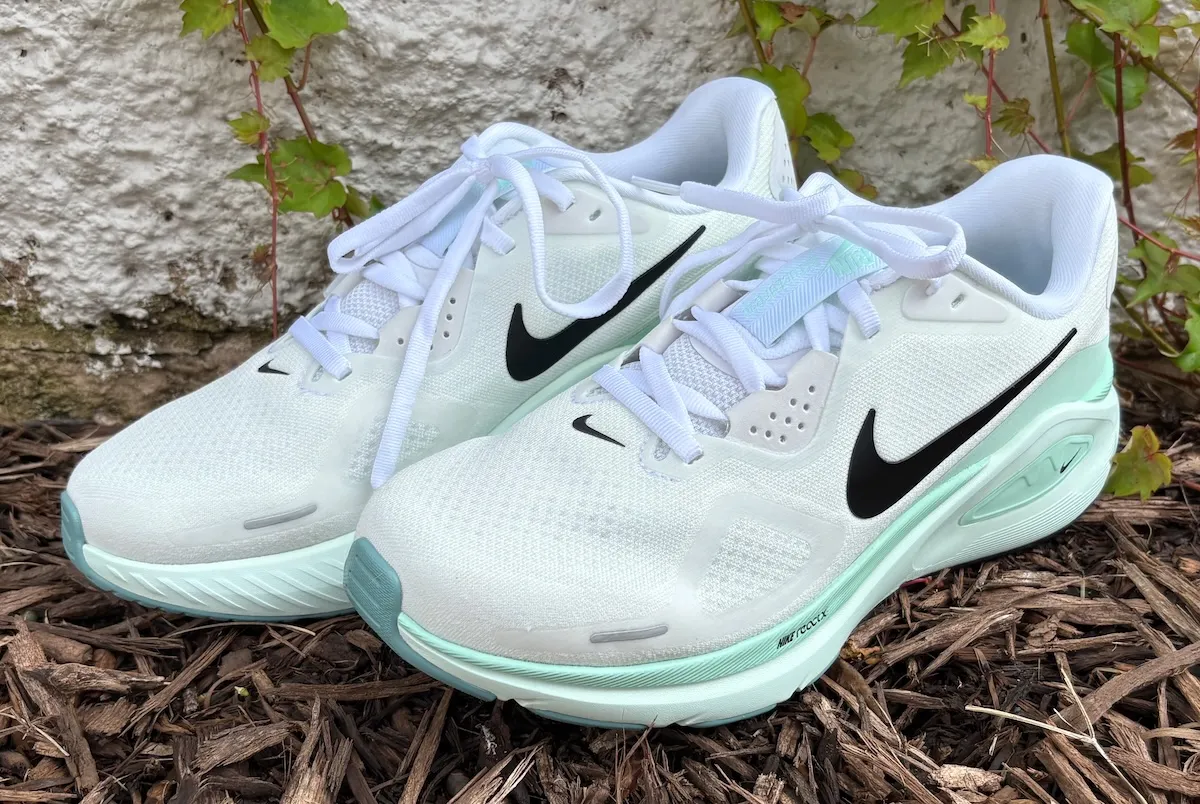
This won’t be a stability shoe for faster runs, but certainly has the right feel for longer miles and with a 10mm drop could be helpful for those with less ankle mobility.
- Weight: 11.3 oz Men’s, 9.2 oz Women’s
- Stack Height: 38mm
- Heel Drop: 10 mm
- Available in 6 Colors
- Available in wide
- Available on nike.com for $145
- Read our full review of the Nike Structure 26 here >>
Zero Drop Option, Widest Toe Box – Altra Paradigm 8
The Paradigm is great for the runner who needs stability, loves a roomy toebox, but doesn’t want a max plush shoe.
With just enough cushion without sacrificing the much-needed support, you’ll feel enough pep in your step without this shoe feeling clunky or stiff.
Although this is Altra’s max cushion shoe, it did not feel super plush like some of the other brands on the market. It provided enough support throughout the shoe, in part thanks to the toebox design that allows your toes to splay out and bring some natural stability.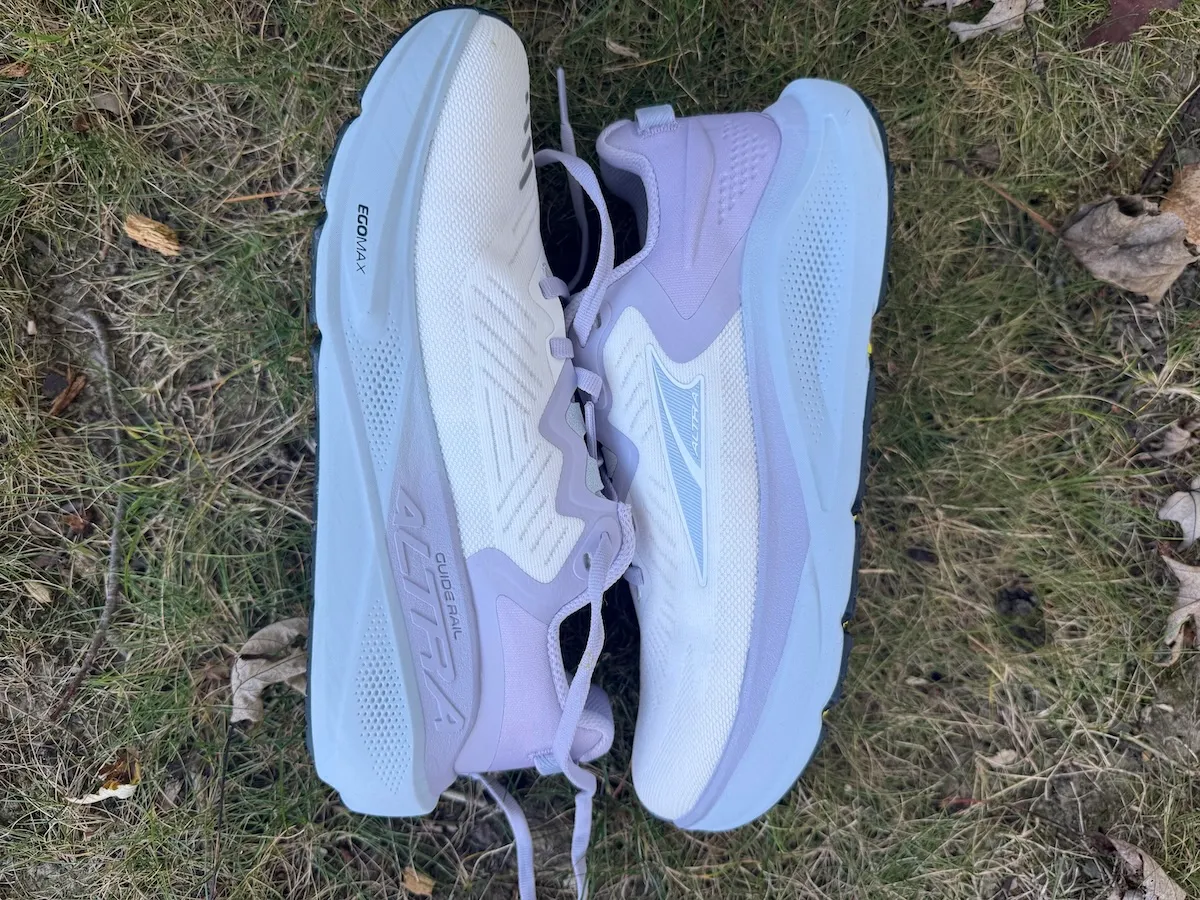
With the GuideRail technology, these shoes provide the support we’d expect out of a stability shoe by encouraging natural foot placement. Altra paired this technology with their signature FootShape fit, giving the support and stability we look for from running shoes.
- Weight: 10.9 oz Men’s, 8.6 oz Women’s
- Stack Height: 30 mm
- Heel Drop: 0 mm
- 5 Colors Men’s, 6 colors Women’s
- Not available in wide
- Available on altrarunning.com for $160
- Read our full review of the Altra Paradigm 8 here >>
Best Moderate Stability for Long Runs – Cloudflyer 5
The On Cloudflyer 5 is a plush running shoe with enhanced stability.
The parts beneath the shoe are wider than in previous models, and they’re designed to aid limit inward rotation, making the Cloudflyer ideal for persons with flexible arches, overpronation, or who want a little extra support.
For even more support, the latest version also has a molded sockliner and a heel counter on the outside. We really liked this addition to the shoe and it’s a bonus if you’re someone that is on their feet all day.
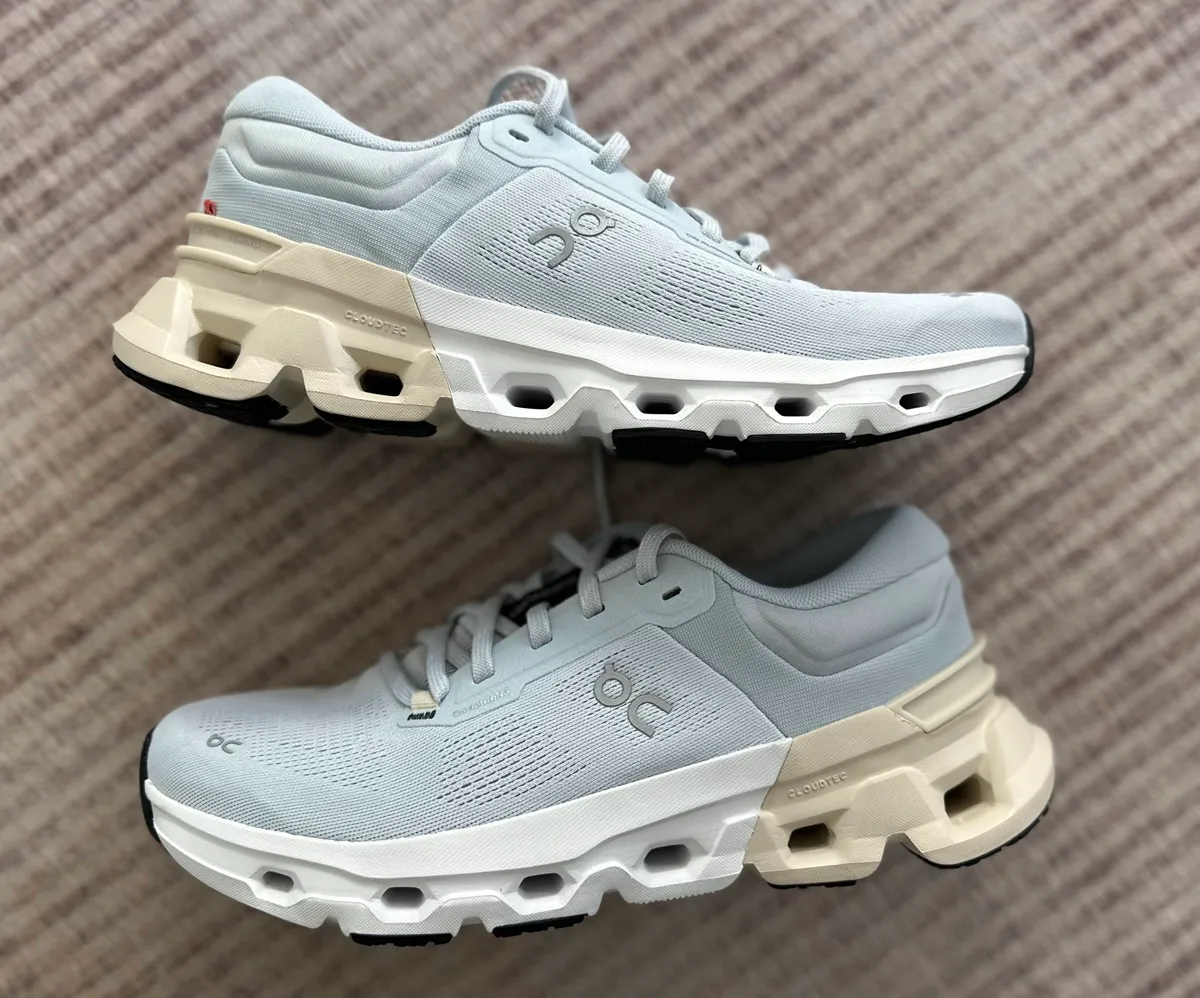
One of the biggest changes is the removal of the speedboard polymer plate in the midsole. On decided to do away with this to help provide that plush feel.
Unfortunately, we just don’t agree with it being plush… maybe slightly softer than the 4. If you liked the Cloudflyer 4, chances are you’ll still be a fan of this one.
Just like the On website describes, the Cloudflyer 5 gives a “foot-hugging feel” straight out of the box.
- Weight: 10.6 oz Men’s, 8.8 oz Women’s
- Heel drop: 10 mm
- Stack height: 31mm
- 5 colors
- Not available in wide
- Available from on.com for for $170
- Read our full review of the On Cloudflyer 5 here >>
Best Max Cushion Stability Trail Running Shoe – Hoka Stinson
The HOKA Stinson is a cushioned trail running shoe that is designed for comfort and stability. If you like the feel of a HOKA Bondi, this may be your trail shoe of preference.
It’s their most cushioned option, while still having that Vibram outsole for great traction even with the high stack height.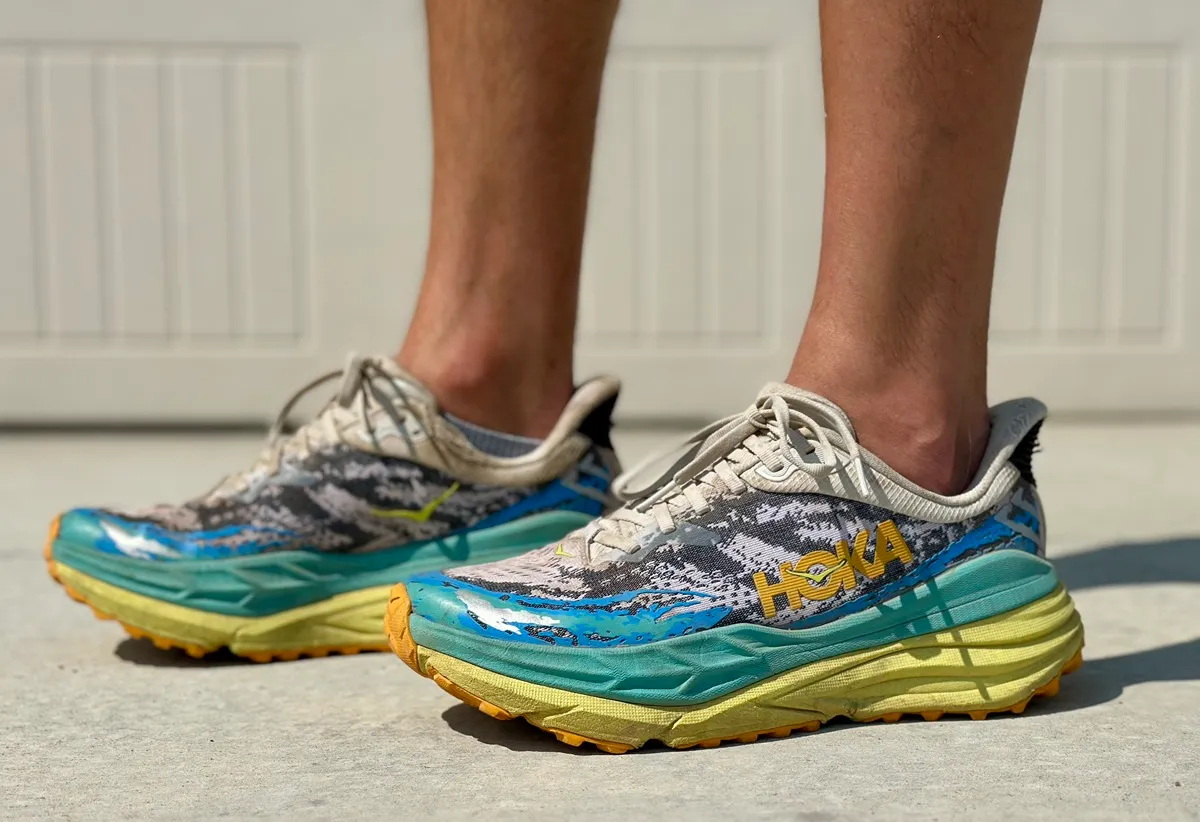
It’s also the highest stack height of all HOKA shoes, which means more stability without being an actual stability shoe. But also a bigger reminder to pick those feet up on the trails!!
This shoe is perfect for runners who enjoy exploring new trails and need a shoe that’s comfortable for the miles. The Stinson is ideal for those who like to run at a moderate pace and need a shoe that is stable and supportive
- Weight: 11.7 oz Men’s, 9.8 oz Women’s
- Heel drop: 5 mm
- Stack height: 40mm
- 9 colors
- Not available in wide
- Available from hoka.com for $175
Best Waterproof Stability Running Shoe – Brooks Cascadia
If you’re a trail runner and need a wider shoe, Brooks Cascadia has got you covered. It is an extremely protected shoe so you don’t have to worry about your feet getting banged up on rough terrain, while remaining light and agile.
I used these on all the trails when we first moved to Colorado! The GTX version will keep your feet dry for winter running or rainy days. These aren’t a shoe that I realized was a stability shoe while wearing it and for me that’s a win.
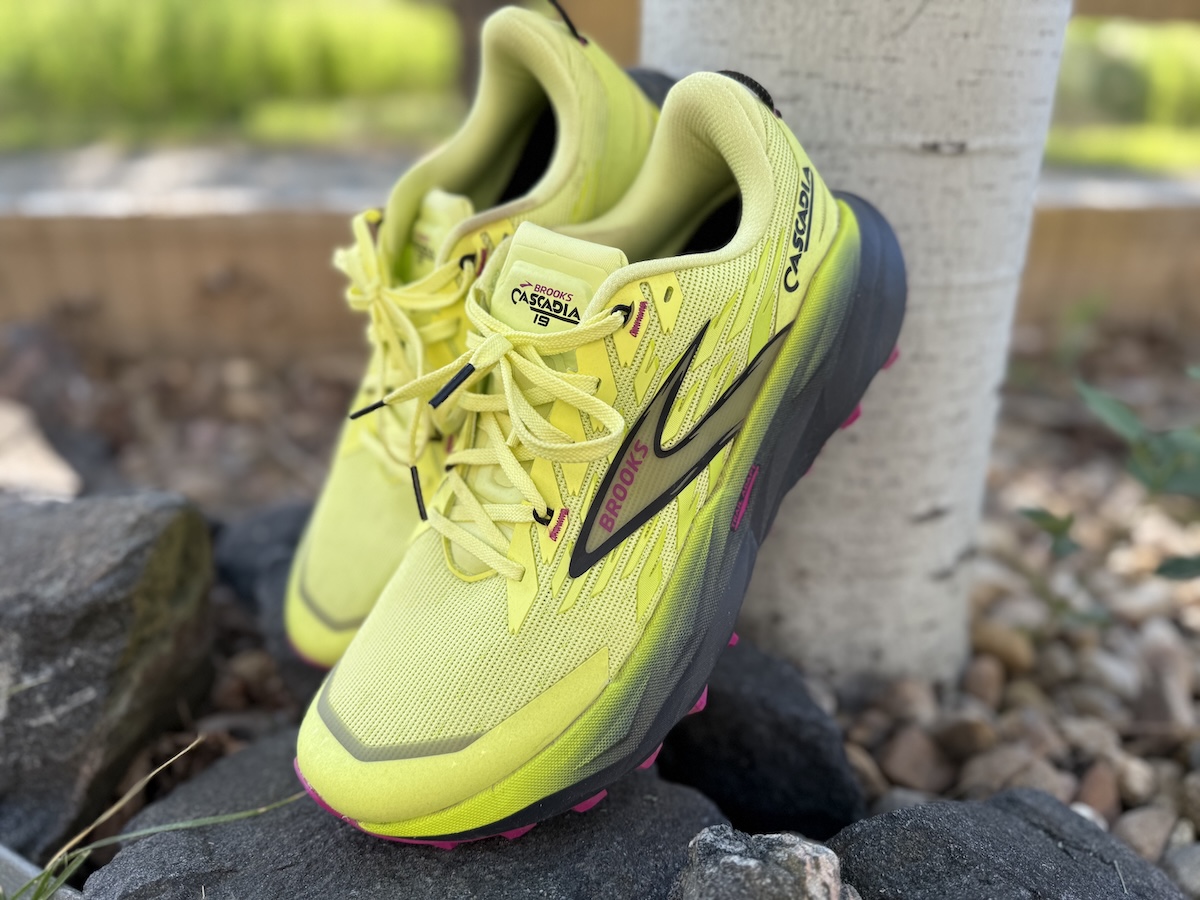
They’re also built for distance meaning they won’t wear down on you. Trail runners need shoes that offer stability and comfort whether their feet are wide or narrow. Cascadia delivers.
- Weight: 9.4 oz.
- Stack Height: 35 mm in heel
- Heel Drop: 6 mm
- Available in 3 colors
- Available in wide
- Available on Brooksrunning.com for $150.00
- Read our full review of the Brooks Cascadia 19 here >>
Do You Need Stability Running Shoes?
Ok, so you got the recommendation, but now we’ve made you question if you need a stability running shoe. Good. We want you to question it before leaving behind neutral running shoes.
A better way to tell is to visit a Physical Therapists and have them look at your stride. This will ensure that you don’t get a shoe to correct pronation which is actually caused by weak hips allowing your knee and ankle to collapse inward.
As always, our first recommendation is learning exercises that will strengthen your weak hips, glutes and core, instead of relying on the shoe to fix things for you.
If you don’t then over time you’ll create new areas of weakness and only mask issues for a little while.
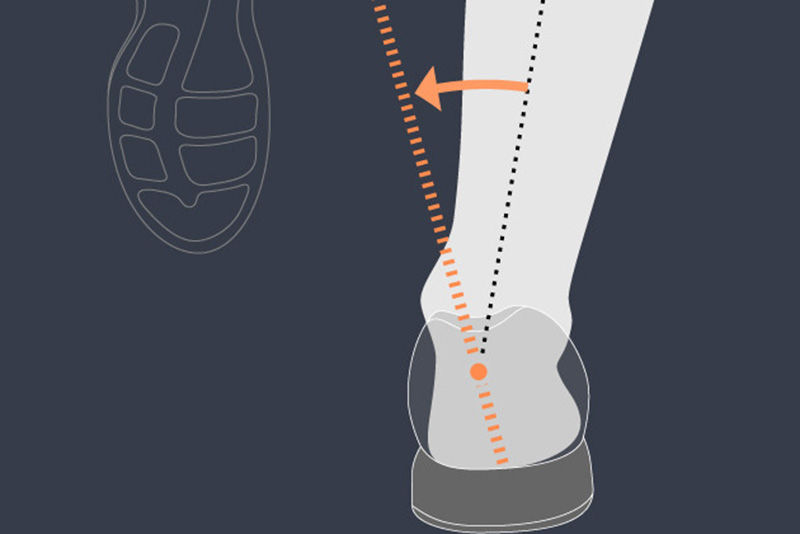
With a foot strike that rolls too far outward or lacks enough mobility we are open to a lot of issues due to the excessive force placed on joints, tendons and overworked muscles. So if you are experiencing any of these issues, then it’s time to strengthen and grab a shoe for stability.
In fact, one 2019 study in Frontiers in Physiology showed that elite runners have more foot stability. This could point to why they are better able to prevent running injuries based on what we are now understanding about the power of your foot in the kinetic chain.
Should Beginner Runners Wear Stability Shoes?
While it’s not uncommon to have weaker hips and glutes when we start running, there’s nothing to say that we should start with a stability shoe. Instead, we want to find the shoe that feels the most comfortable.
Not only will that help you to put in more miles, but there are studies showing better performance and less injuries with the shoe that feels the best.
What Makes a Shoe a Stability Running Shoe?
Although stability shoes and neutral running shoes share some characteristics, they also differ from one another. They offer a supportive structure that helps control the inward rolling of the foot, providing a more neutral and efficient gait.
Let’s explore the key components that make stability shoes effective:
Medial Post or Dual-Density Midsole
Stability shoes usually feature a medial post or dual-density midsole. This additional material on the inner side of the shoe provides firmer support, reducing the extent of pronation and promoting a more balanced stride.
Each brand is now finding their own unique technology here or making some shifts to help maintain the cushioned feeling of the shoe.
Arch Support
Arch support is crucial for runners with flat feet or low arches and is one of the best reasons to get a stability shoe.
Stability shoes typically have a well-crafted arch support system that helps maintain the foot’s natural alignment, preventing excessive rolling. Though not all are equally as good in this area, so check this out if you specifically need running shoes for flat feet.
Heel Counter
A reinforced heel counter adds stability to the rear of the foot. This feature helps control the motion of the heel, especially during the initial impact phase of running.
Structured Upper
The upper part of stability shoes often incorporates structured materials to provide a secure fit. This aids in stabilizing the foot within the shoe and reduces unnecessary movement.
All right that gives you a great place to start with stability running shoes.
What to read next?
- Best Ankle Strengthening Exercises for Runners
- How to Lace Running Shoes for More Support
- What is Heel Toe Drop in Running Shoes
Other ways to connect with Amanda
Instagram Daily Fun: RunToTheFinish
Facebook Community Chatter: RunToTheFinish
Sign Up to Receive a Weekly Newsletter with Top Running Tips and Laughs
The post 10 Best Stability Running Shoes (For Every Type of Run) appeared first on RunToTheFinish.
from RunToTheFinish https://ift.tt/ET5Z0gP
Post a Comment
Post a Comment